When most people see a finished machined part, they only see the end result. What they don’t see is the meticulous process that makes the part possible.
Long before a machine even starts cutting, teams are reviewing drawings, selecting materials, evaluating manufacturability, and planning production. But it doesn’t stop there. After machining, inspections and secondary operations verify each part will serve its intended purpose.
From concept to completion, every part follows a journey. Understanding that journey can help manufacturers appreciate the value of working with an experienced machining partner.
Table of Contents
It All Starts with a Drawing
Every machined part begins as an idea.
Sometimes, that idea arrives as a detailed engineering drawing. Other times, it starts with a CAD model, prototype, or even a concept that needs refinement before production.
This early stage is critical because decisions made here often influence cost, lead time, manufacturability, and long-term performance.
During the review process, engineers and manufacturing teams evaluate factors such as:
- Dimensions and tolerances
- Critical features
- Material requirements
- Assembly considerations
- Production volumes
- Performance expectations
The goal is to design a functional part that can be manufactured efficiently.
By working together early, customers and machining teams can identify potential issues, improve efficiency, and reduce costs before production starts.

Turning Concepts into Reality Through Prototyping
Before committing to full-scale production, many projects move through a prototyping phase.
Prototype machining allows manufacturers to test ideas in the real world and verify that a design performs as intended. It provides a chance to identify potential issues before investing in larger production runs.
For product development teams, prototyping offers several advantages:
- Testing form, fit, and function
- Evaluating performance
- Validating design assumptions
- Identifying opportunities for improvement
- Reducing development risk
Rarely does a new product move directly from concept to production without refinements. Prototypes provide feedback that helps engineers make informed decisions before finalizing a design.
By the time a part reaches production, much of the uncertainty has already been addressed through testing and development.
Selecting the Right Material
Once a design is approved, attention shifts to material selection.
Not every part is made from the same material. The right choice depends on how the part will be used, the environment it will operate in, and the performance requirements it needs to meet.
Factors often include:
- Strength requirements: Parts that experience heavy loads, impact forces, or repeated stress often require materials capable of maintaining their structural integrity over time.
- Weight limitations: In industries such as aerospace and transportation, reducing component weight can improve efficiency, performance, and fuel economy without sacrificing strength.
- Corrosion resistance: Parts exposed to moisture, chemicals, salt, or harsh operating environments may require materials that resist rust and corrosion to support long-term reliability.
- Wear resistance: Components that experience friction, abrasion, or repeated contact with other surfaces often benefit from materials that can withstand wear and maintain performance throughout their service life.
- Operating temperatures: Some applications expose parts to extreme heat or cold, making it important to select materials that can maintain their mechanical properties under those conditions.
- Application-specific performance needs: For example, aluminum is often selected when lightweight performance is a priority, steel may be preferred for its durability and strength, and titanium is commonly used in demanding applications that require a combination of high strength, corrosion resistance, and reduced weight.
A component used in a harsh industrial environment may require different material properties than one used in an aerospace application. Selecting the right material helps ensure the finished part can perform reliably throughout its service life.
With the material selected, the manufacturing team can begin planning the production process.
Preparing for Production
Before machining begins, significant preparation takes place behind the scenes.
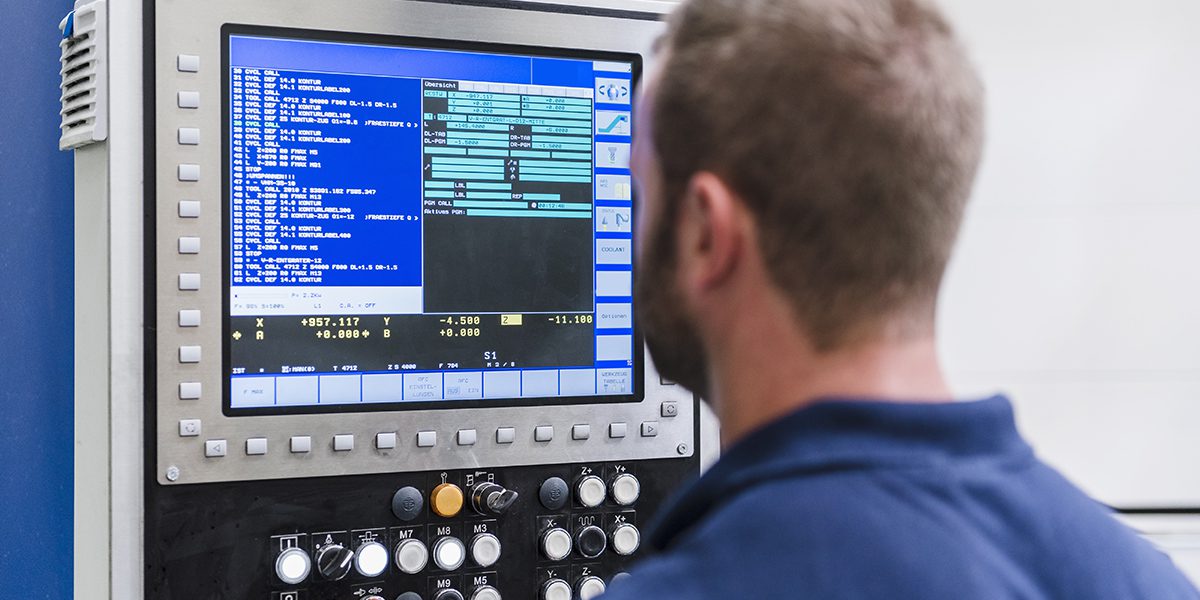
Programmers develop instructions that will guide CNC equipment through each operation. Tooling strategies are selected, fixtures are designed, and machine setups are planned to ensure accuracy and repeatability.
This stage often includes:
- CNC programming
- Tool selection
- Workholding design
- Setup development
- Process optimization
- Inspection planning

Thorough preparation helps reduce errors, improve efficiency, and create a smoother production process once parts move to the shop floor.
The more attention given to planning upfront, the more consistent the results tend to be during production.
Bringing the Part to Life
With planning complete, machining can begin.
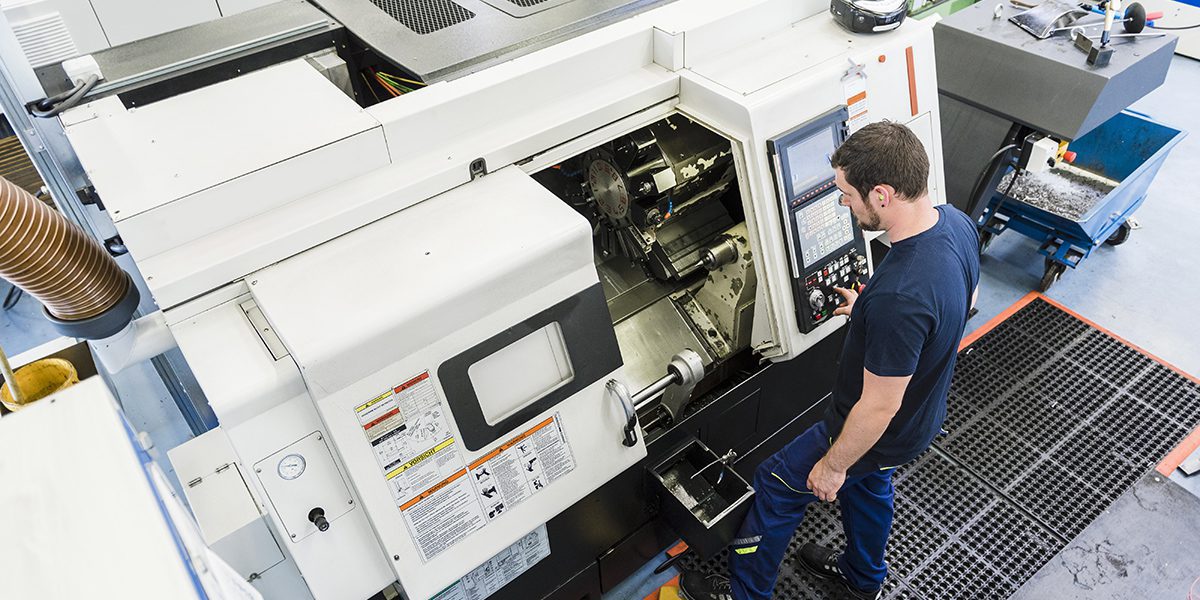
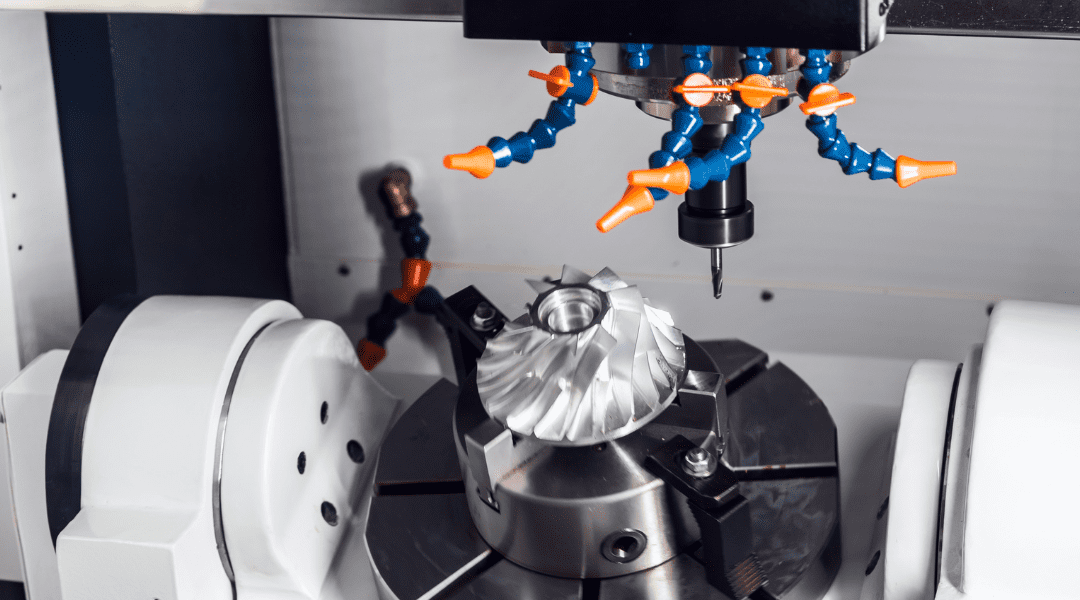
Raw material is loaded into CNC equipment where a series of carefully programmed operations gradually transform it into a finished component.
Depending on the design, production may involve:
- CNC milling
- CNC turning
- Drilling
- Tapping
- Boring
- Threading
Each operation removes material in a controlled manner to create the required geometry, dimensions, and features.
While modern CNC technology provides exceptional precision, successful machining still depends on the experience of programmers, machinists, and operators who monitor the process and ensure everything remains within specification.
At this stage, what began as a drawing is finally becoming a physical part.
Quality is Built into Every Stage
Quality control does not begin after machining is complete. It is woven throughout the entire manufacturing process.
Many manufacturers perform in-process inspections as parts move through production. These checks allow teams to identify issues early and make adjustments before they affect additional components.
Common quality assurance activities include:
- Dimensional inspections
- Critical feature verification
- Surface finish evaluation
- First-article inspections
- Process monitoring
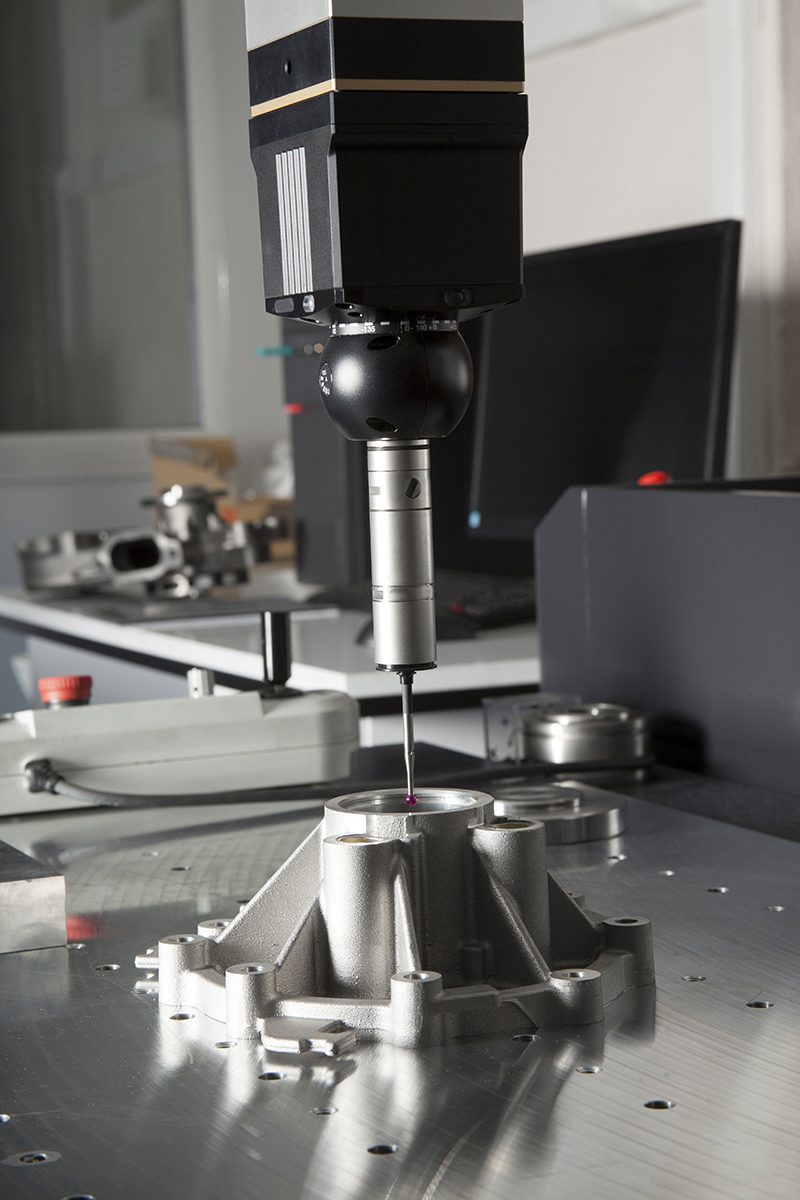
After machining is complete, parts often undergo a final inspection to confirm they meet all required specifications.
Depending on customer requirements, this may involve advanced measuring equipment, coordinate measuring machines (CMMs), visual inspections, or documented quality records.
These processes help ensure every part performs as expected once it reaches the customer.
Finishing Operations Add the Final Touches
For many components, machining is only one part of the manufacturing process.
Additional finishing operations may be required to improve performance, durability, appearance, or functionality.
Common secondary processes include:
- Deburring
- Heat treating
- Anodizing
- Plating
- Surface finishing
- Laser marking
These services can enhance corrosion resistance, increase wear protection, improve aesthetics, or provide traceability for regulated applications.
The specific requirements depend on the component’s intended use and operating environment.
Final Verification and Delivery
Before a machined part leaves the facility, it undergoes a final review.
Teams verify that quality requirements have been met, documentation is complete, and packaging is appropriate for transportation and storage.
This final stage may include:
- Final inspection approval
- Documentation review
- Traceability verification
- Protective packaging
- Customer-specific shipping requirements
Once complete, the part is ready to move into the customer’s assembly process, equipment, or finished product.
Although it may seem like a simple component, that finished part represents countless decisions, inspections, and manufacturing steps that occurred along the way.
More Than Machining: The Value of the Right Partner
The journey of a machined part involves far more than cutting material.
From design reviews and prototyping to production planning, machining, quality control, and finishing, every stage contributes to the success of the final product.
That is why choosing the right manufacturing partner matters.
An experienced machining provider brings value throughout the entire process, helping customers improve manufacturability, reduce risk, maintain quality, and keep projects moving forward.
At Winndeavor, precision machining is only part of the equation. By supporting customers from concept through production, the team helps transform ideas into reliable, high-quality components built for real-world performance.