Precision is key when it comes to manufacturing and machining, especially when working with complex shapes. Like many materials, some metals are easier to work with than others, making the precision machining process more difficult. There is one process, though, that...
Ferrous and nonferrous are the main classifications of metals. The main difference between ferrous and nonferrous metals is that ferrous metals contain iron while nonferrous metals do not. While iron contents are one differentiator, there are other properties that...
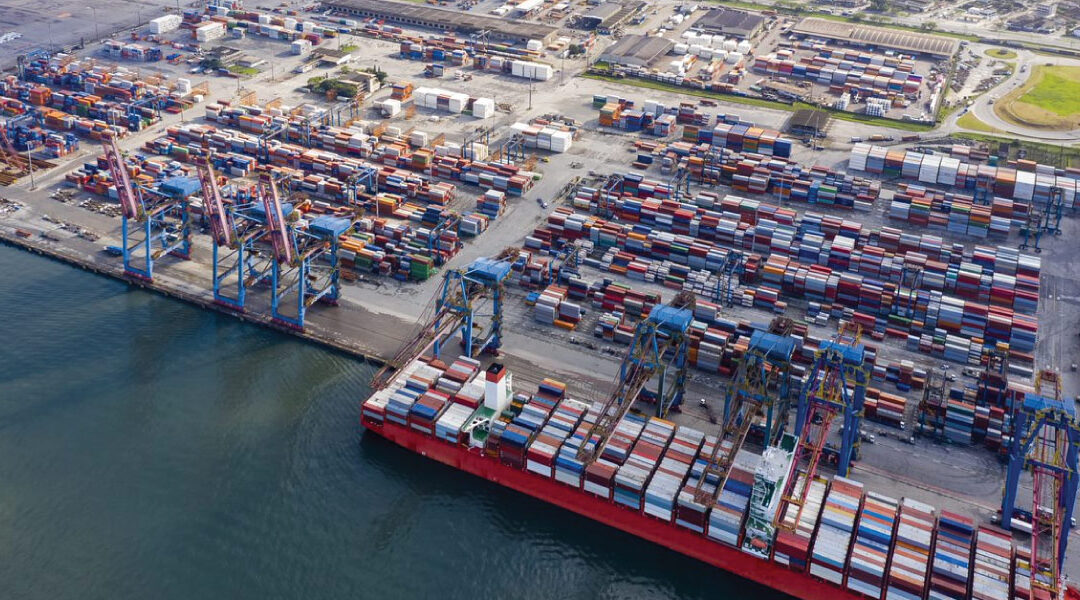
It seems that everywhere we tune into the news, there’s a story about difficulties in the supply chain. Raw materials, parts, and finished products have been getting stuck at port and facing major delays before getting to the people who need them to cut, assemble, and...
Production costs are on the rise across many industries. Manufacturers are struggling to remain competitive in the current market. Many have started to look for ways to increase productivity and efficiency across their systems. One technique that manufacturers are...
In recent years, developments in manufacturing have led to so many solutions that when manufacturers are identifying which is best for them, the sheer number of solutions can be immediately overwhelming. While these developments have led to increased efficiency,...
Broaching is one of the most common machining processes. It’s used to removed selected material from a workpiece to create specific and unique features. How does broaching differ from other machining processes though? And when should you use...